
Who keepswhat it learns?
Goldman Sachs just launched a Small Business AI Institute with Google, Anthropic, OpenAI and Meta. The training is good news. The question every owner should ask comes after the training ends.
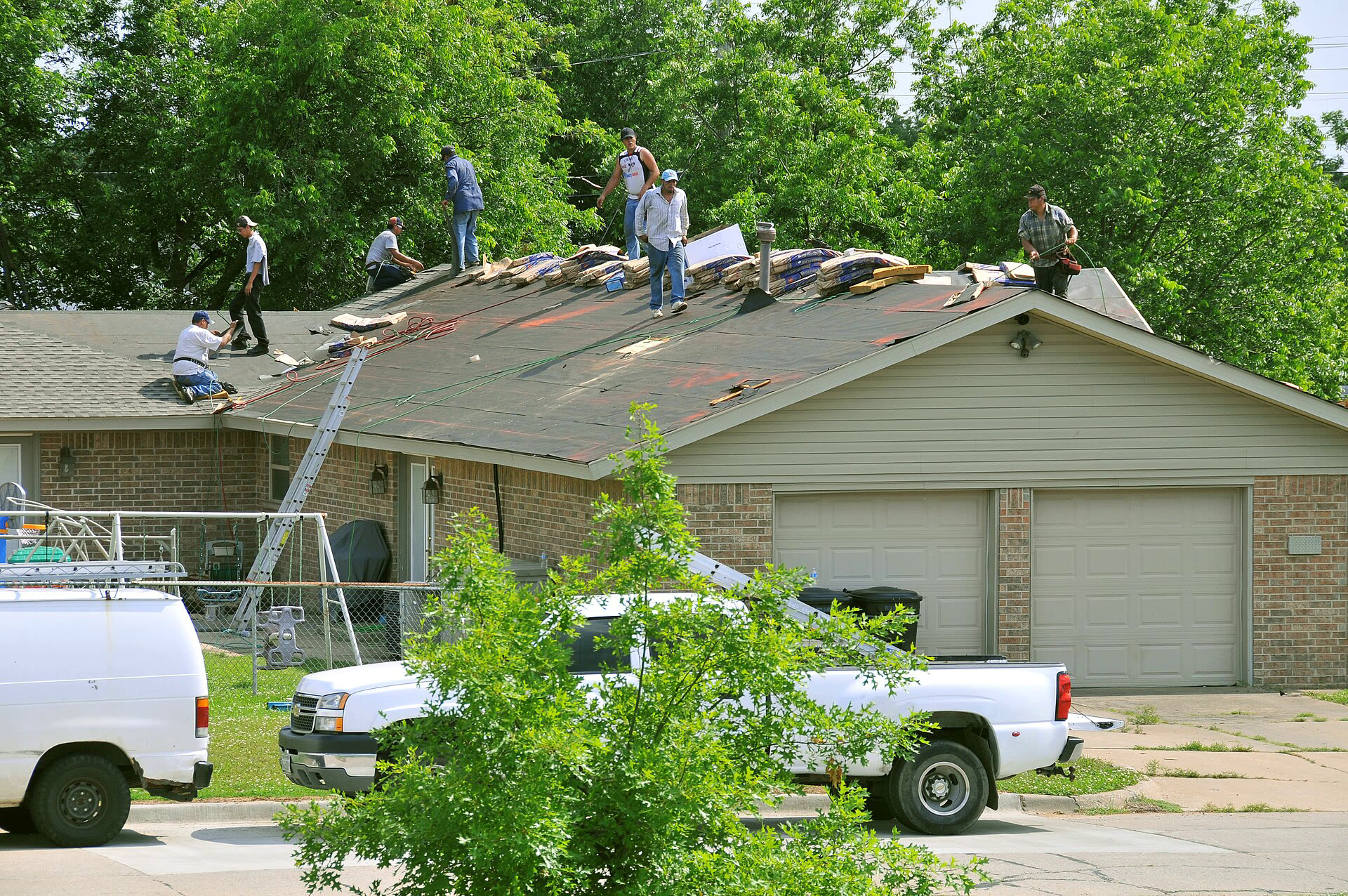
Last week Goldman Sachs launched a Small Business AI Institute, part of a $500 million expansion of its 10,000 Small Businesses program. Google, Anthropic, OpenAI and Meta signed on to provide training and tools.
That is good news, and I mean it.
The hardest part of AI for a small business has never been the technology. It is the hour nobody has to learn it. When we built SayDoo, we ended up building a university inside it, because teaching people to talk to AI turned out to be half the job.
The number that matters
Goldman surveyed more than 2,400 owners who went through its program. 86% said they use AI in their business, up from 56% two years ago.
Only 15% said it was fully part of how the business runs.
86% use it. 15% run on it.
That gap is the whole story. Using a chatbot to write a Facebook post is easy. Letting AI answer your leads, schedule your crews and chase your invoices means connecting it to your customer list, your prices and your jobs.
That is where the training ends and the real decision begins.
The question after the training
Every owner who crosses that gap is going to plug their book into something. The book is every customer you have served, every price you have quoted, every job you have won or lost. For most trade businesses it is the most valuable thing they own.
So before you connect it, ask who keeps what the AI learns from it.
If the answer is "the platform," then the intelligence built from your customers belongs to someone else, and it can improve a product sold to the company down the road that bids against you.
We build SayDoo on the same kind of models these companies make. The model isn't the problem. The deal around it is.
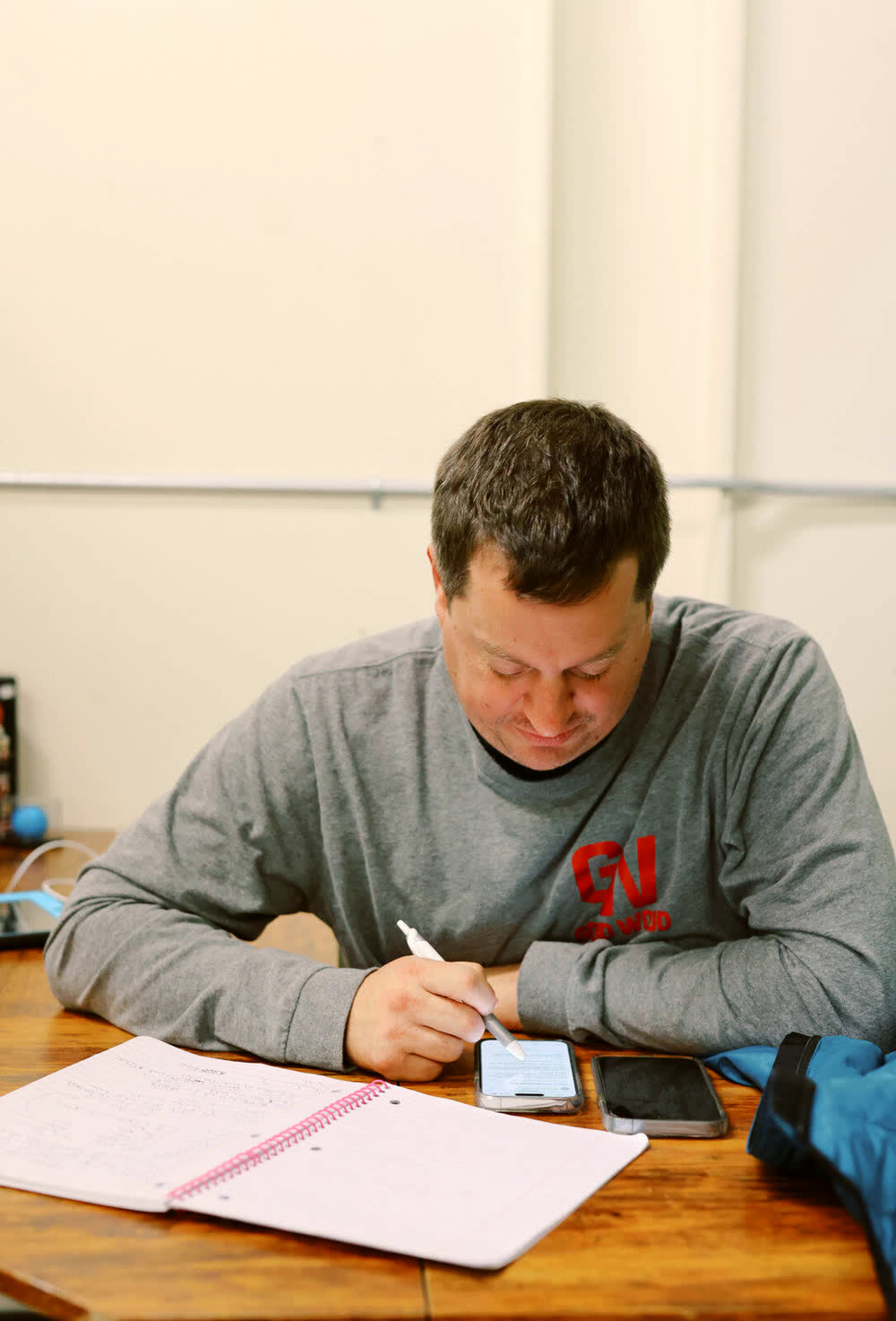
Four questions before you plug in your book
Can I export all of it, without a phone call?
Who can see my customers' personal details, including the AI?
Will my data be used to improve a product sold to my competitors?
What happens to my business if your business disappears?
If the answers are vague, the book isn't really yours.
What we promise instead
At SayDoo, the business owns its data and can export everything at any time. Customer names, phone numbers, emails and addresses are swapped for stand-ins before anything reaches an AI model. If we ever closed, our customers keep a working copy of their system with a permanent license to run it. And we don't sign two competing companies in the same market.
One of the owners in the Goldman story said it better than I can. Mike DiMarino, who runs Linda Tool, put it this way: "Machines are expensive. People are priceless."
Take the training. Learn the tools. Then make sure what your business teaches the machine stays with your business.
Quick answers
What is the Goldman Sachs Small Business AI Institute?
Announced October 22, 2026, it is part of a $500 million expansion of Goldman Sachs' 10,000 Small Businesses program. Google, Anthropic, OpenAI and Meta are partners, providing AI training and tools to small business owners.
How many small businesses use AI?
In Goldman's survey of more than 2,400 program graduates, 86% said they use AI in their businesses, up from 56% in 2024. Only 15% said AI was fully integrated into their core operations.
What should a small business ask before connecting AI to its customer data?
Ask whether you can export everything without a phone call, who can see your customers' personal details including the AI, whether your data trains a product sold to your competitors, and what happens to your business if the vendor disappears.
Sources
Shawn Keding is the co-founder and CEO of SayDoo, an AI console for trade businesses, built inside a working roofing company in North Carolina.