
The9 p.m.lead.
The homeowner with water coming through the ceiling doesn't wait for business hours. They call the next roofer on the list. Here is what happens to the leads that arrive after the office goes home, and how to stop losing them.
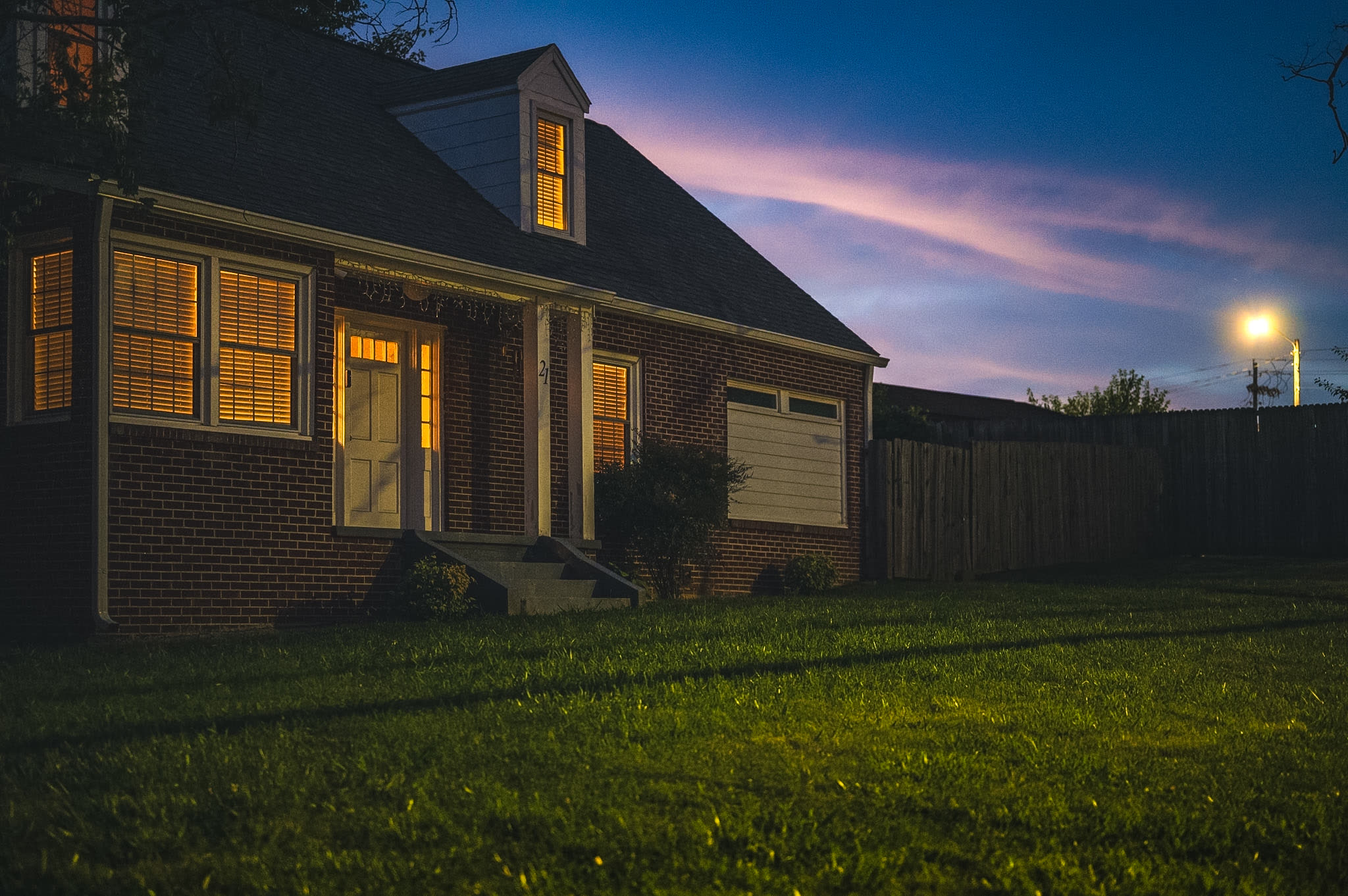
It's 9 at night. A storm came through an hour ago. There is a brown spot spreading across a bedroom ceiling and a homeowner standing under it with a phone.
They search, they find three roofers, and they call the first one. Voicemail.
They don't leave a message. They call the second one.
The job goes to whoever answers.
Every trade has a 9 p.m.
For roofers it is the storm. For HVAC it is the first hot night in June and the first cold night in November. For plumbers it is the water heater that lets go on a Sunday. For electricians it is the panel that smells like something burning.
The emergencies arrive when the office is closed, because that is when people are home to notice them.
What actually happens to those leads
Most trade businesses handle after-hours leads one of three ways.
The phone rolls to the owner's cell. The owner answers some of them, misses the ones that come in during dinner or bedtime, and burns out by year three.
The phone rolls to voicemail. The office returns calls in the morning. By then the homeowner has already booked someone, and the callback is answered with "we're all set, thanks."
The web form sends an email to a shared inbox. Somebody sees it the next day, maybe.
None of these are a system. They are hope.
Speed is the whole game
The trade business that replies first doesn't need to be the cheapest or the biggest. It needs to be the one that made the homeowner feel handled.
A reply within minutes, even a simple one, changes the call. "Got it. We're sending someone to look first thing tomorrow. Here's what to do tonight to limit the damage." The homeowner stops shopping.
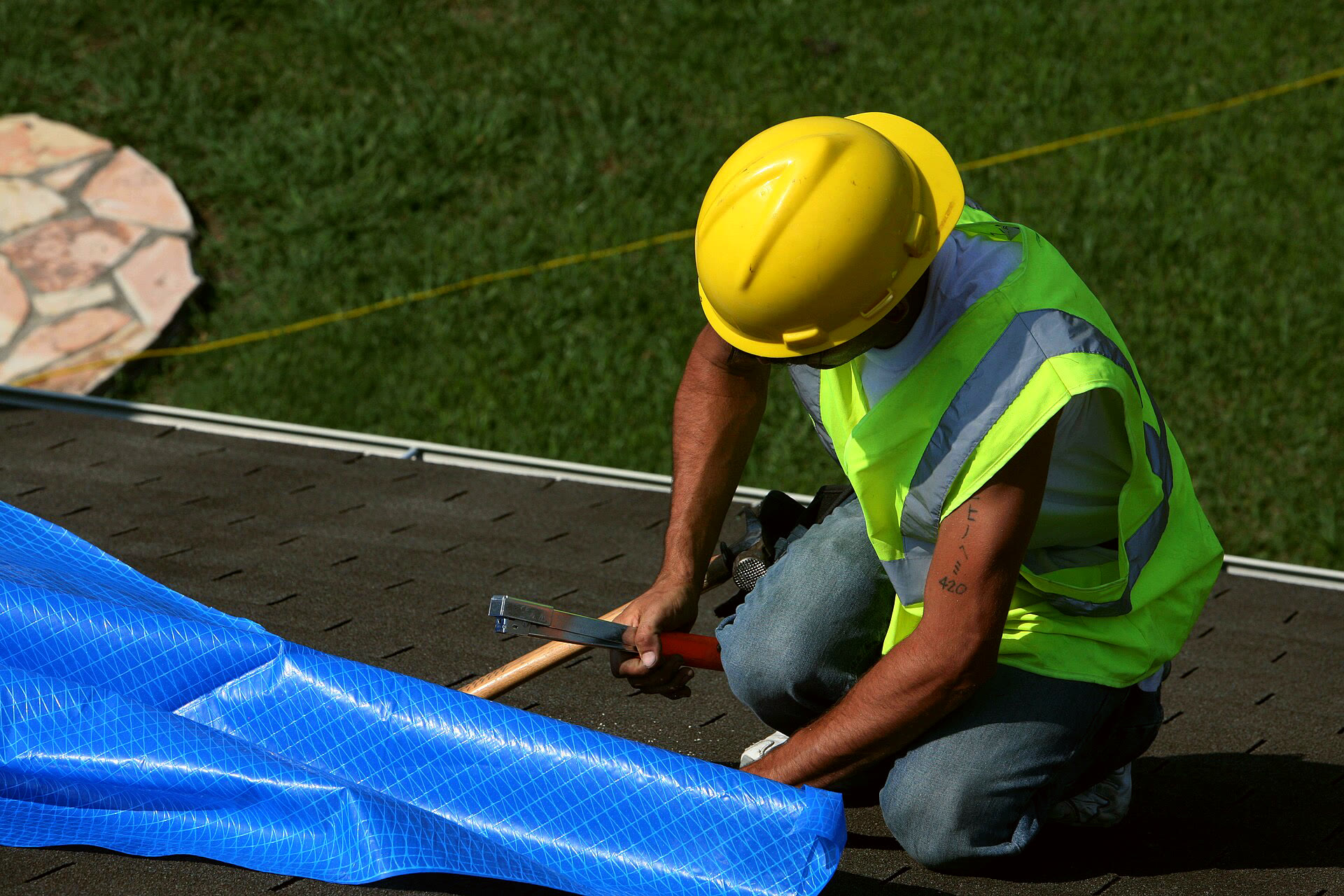
A simple system for the 9 p.m. lead
You don't need a call center. You need four things.
One list. Every lead, from the phone, the website, the Facebook message and the referral text, lands in the same place. If leads live in five inboxes, the 9 p.m. one is in the inbox nobody checks.
A first reply that goes out on its own. A short, honest text or email the moment the lead arrives, in your company's voice, saying when a person will call. Not a fake "a technician is on the way."
A clear owner. The next morning, every overnight lead has a name next to it and a time it will be called. Nothing sits as "someone will get to it."
A follow-up that doesn't depend on memory. If the homeowner doesn't answer the first call, the second and third attempts are already scheduled.
How SayDoo handles it
This is one of the first things we built at SayDoo, because we built it inside a roofing company that lived through storm seasons.
Every lead lands in one list. The console drafts the first reply in the company's own voice, and nothing goes out until the owner has seen what it would send and switched it on. In the morning the owner asks, "What came in overnight?" and gets the list, ranked, with who is calling whom.
The storm doesn't wait for business hours. Your first reply shouldn't either.
Join the waitlist at trysaydoo.com.
Shawn Keding is the co-founder and CEO of SayDoo, an AI console for trade businesses, built inside a working roofing company in North Carolina.