
Write it downbefore they go.
A big share of the people who build and fix things in this country are close to retirement. AI can't replace a thirty-year superintendent. It can keep what he knows from walking out the door with him.
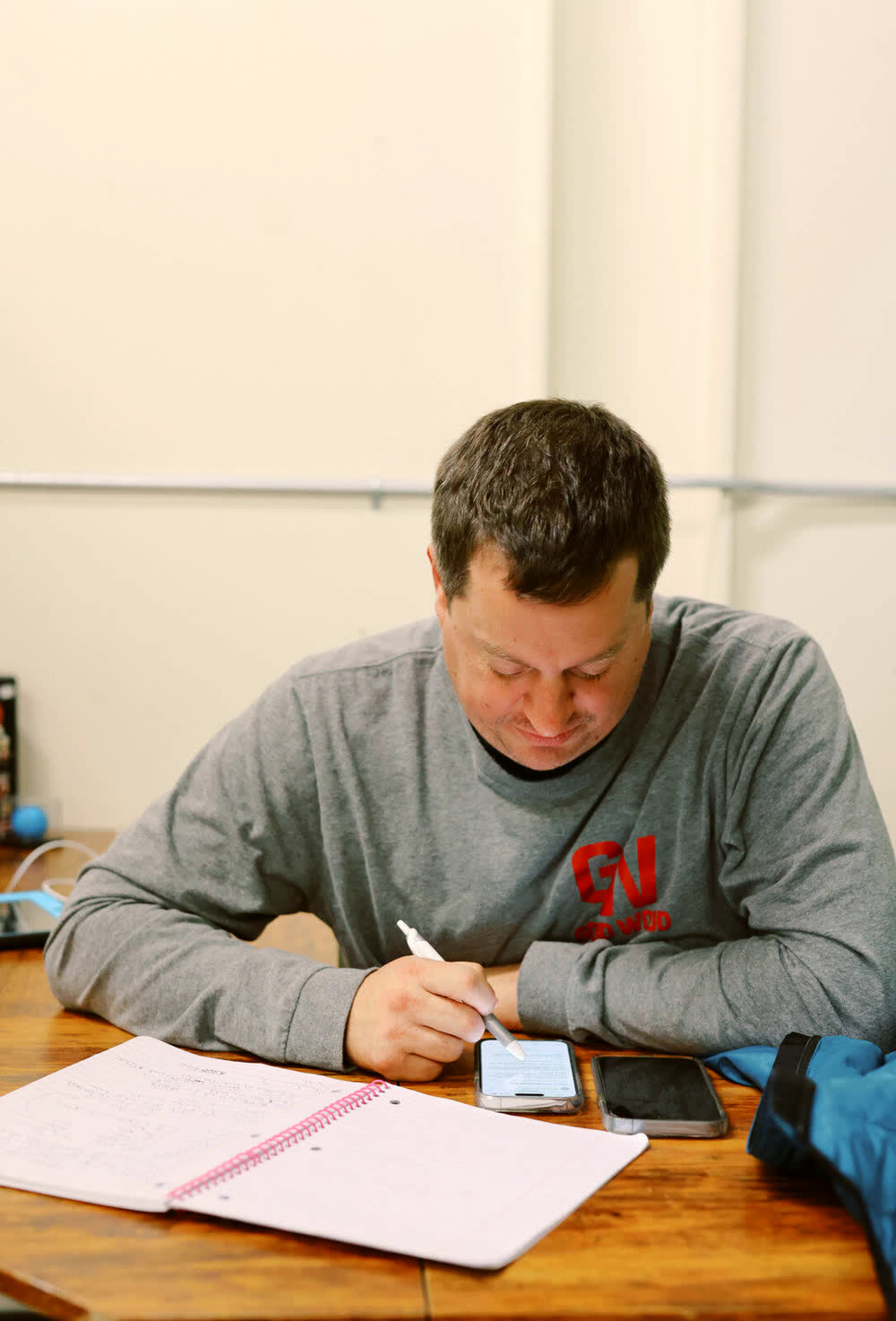
This week John Brewster, who runs a fire protection company, wrote an opinion piece with a hard headline. The skilled trades shortage could break our infrastructure.
His point is simple. The people who keep the lights on, the water running and the buildings safe are getting older, and not enough people are coming in behind them. He cites a Reuters estimate that about 41% of the construction workforce is expected to retire by 2031.
You don't need the number. You know who it is in your company.
The slow market didn't fix it
You might expect a soft housing market to ease the hiring problem. It hasn't. This fall the AGC and NCCER workforce survey found shortages are still acute, with data center construction pulling skilled people away from everyone else.
So the work keeps coming, the experienced people keep leaving, and the new ones take years to learn what the old ones know.
The most valuable thing in your company is in somebody's head.
What actually walks out the door
It is not the skill. You can train skill.
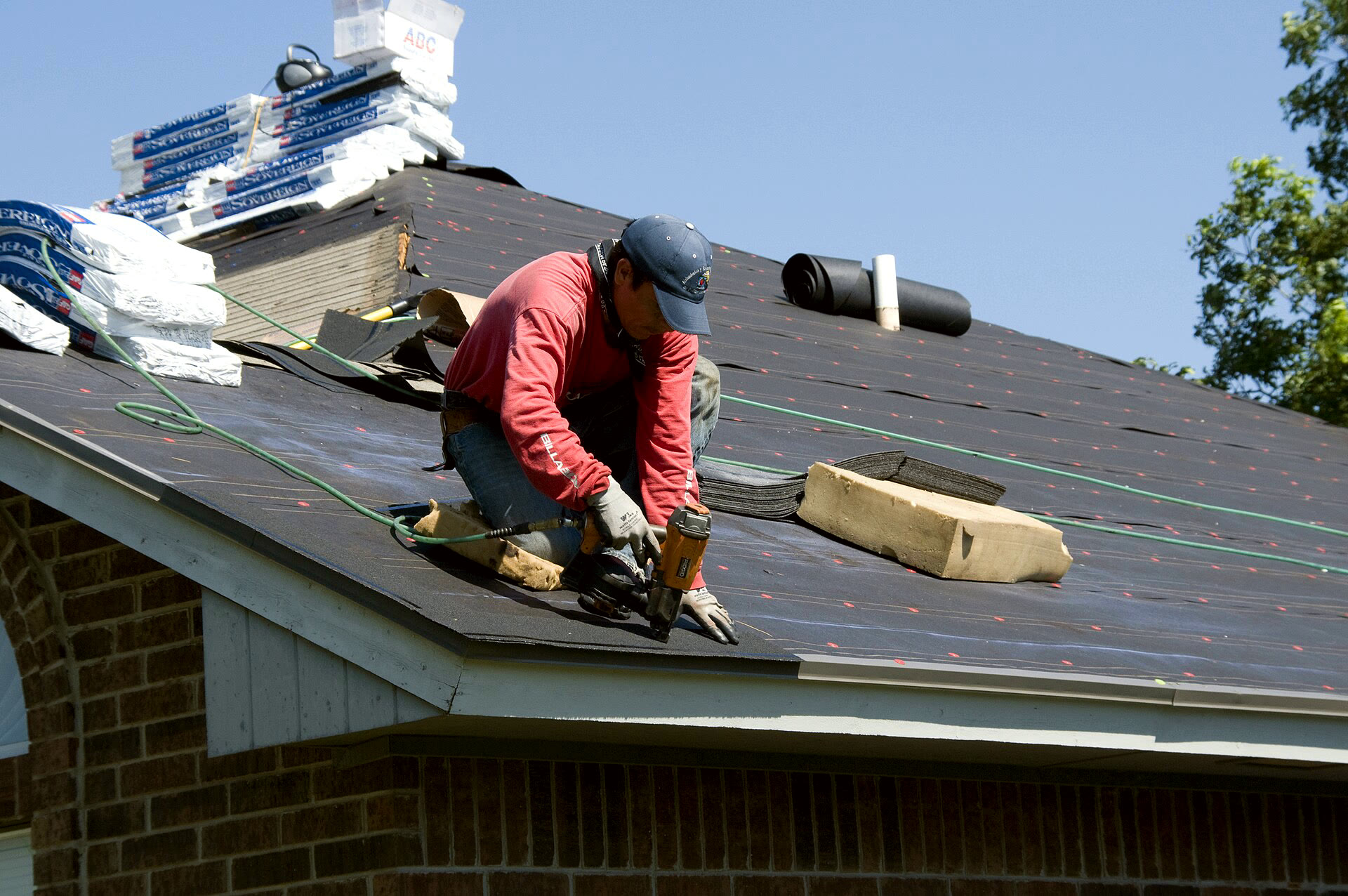
It is the judgment. Which supplier lies about delivery dates. Which inspector wants to see what. Why the houses in that one subdivision always leak at the same valley. How to talk a nervous homeowner through a tear-off. Which crew can handle a steep roof and which one can't.
None of it is written down. It lives in one person, and one day he doesn't come in.
Ten questions to ask before they go
Pick your three most experienced people. Buy them lunch. Put a phone on the table, ask, and record the answers.
What do new people get wrong in their first year?
What is the mistake you have seen cost us the most money?
Which jobs do you walk away from, and how can you tell from the driveway?
Which suppliers, inspectors and adjusters do you trust, and why?
What do you check that nobody taught you to check?
How do you price a job that doesn't fit the sheet?
What do you say to a customer who is upset?
What is the shortcut that looks fine and isn't?
Who in the company should we be listening to more?
What do you wish someone had told you when you started?
Twenty minutes each. Do it before the holidays.
Where the AI comes in
This is the part of AI that has nothing to do with replacing anyone.
A recording is useless if nobody listens to it. A transcript in a shared folder is not much better. But the same words, kept inside your own system, can be searched in plain language. A crew lead three years from now can ask "how did we handle the valleys in that subdivision that always leaks" and get the old hand's answer in his own words.
Two rules if you do it. Keep it in a system your business owns, not one that can disappear or train someone else's product. And tell your people exactly what you are doing and why. They are handing you thirty years. Treat it that way.
The trades will rebuild the workforce. It will take a decade. The knowledge is leaving sooner than that.
Quick answers
How many construction workers are expected to retire?
An opinion piece published November 23, 2026 cited a Reuters estimate that about 41% of the construction workforce is expected to retire by 2031.
Is the trades shortage easing because the market is slower?
No. The 2026 AGC and NCCER workforce survey found shortages remain acute despite soft market conditions, with demand for data center workers adding to the strain.
How can a trade business keep what retiring workers know?
Sit down with your most experienced people, record short conversations about how they actually do the work, and keep the transcripts in a system the business owns so the next person can search them.
Can AI replace experienced tradespeople?
No. AI can't climb a roof or read a job site. What it can do is turn recorded conversations into searchable notes, so a younger crew lead can ask how the old hand handled a problem and get his answer.
Sources
Shawn Keding is the co-founder and CEO of SayDoo, an AI console for trade businesses, built inside a working roofing company in North Carolina.